The Preventing Trafficking of Girls Program is a vital initiative aimed at addressing the alarming issue of human trafficking, particularly focusing on the vulnerability of girls. This program seeks to create a comprehensive framework that not only raises awareness but also implements practical strategies to prevent trafficking before it occurs. By engaging communities, educating stakeholders, and providing resources, the program aims to empower girls and their families, ensuring they have the tools and knowledge to protect themselves from exploitation.
At its core, the program recognizes that prevention is far more effective than intervention after the fact. By addressing the root causes of trafficking and equipping potential victims with information and support, the initiative strives to create a safer environment for girls across the United States. This article will delve into the background of human trafficking in the U.S., outline the program’s goals, identify its target population, and discuss its implementation plan, budget needs, and evaluation strategies.
Background and Context of Human Trafficking in the United States
Human trafficking is a pervasive issue in the United States, affecting thousands of individuals each year. The U.S. Department of Justice defines human trafficking as a crime involving the exploitation of individuals through force, fraud, or coercion for various purposes, including forced labor and sexual exploitation. While trafficking can affect anyone, girls and young women are disproportionately targeted due to various social and economic factors.
Several factors contribute to the vulnerability of girls to trafficking. Poverty, lack of education, and unstable family environments can create conditions where girls are more susceptible to exploitation. Additionally, societal norms and attitudes towards gender can further exacerbate these vulnerabilities. Understanding this context is crucial for developing effective prevention strategies that address not only the symptoms but also the underlying causes of trafficking.
Goals and Objectives of the Preventing Trafficking of Girls Program
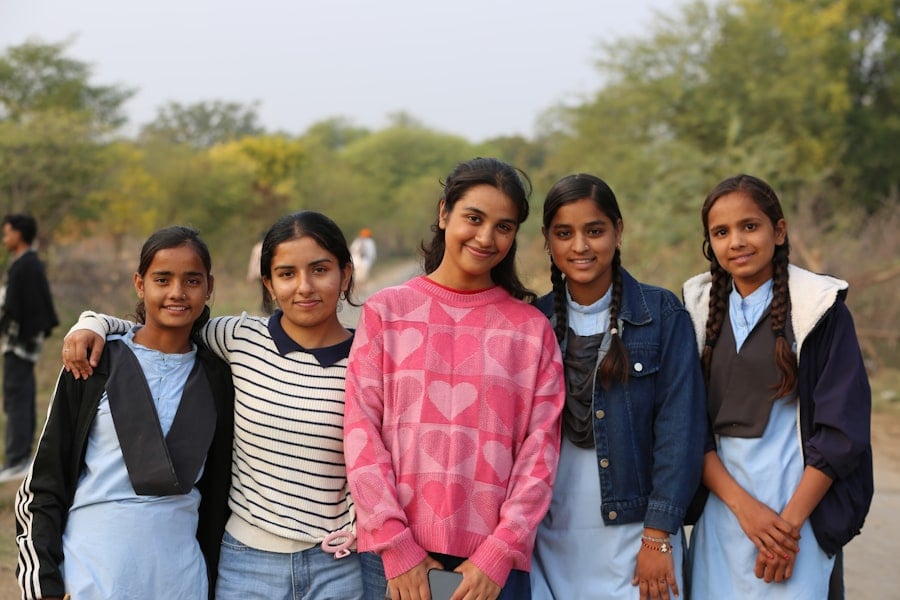
The primary goal of the Preventing Trafficking of Girls Program is to reduce the incidence of trafficking among girls in the United States. To achieve this, the program has established several specific objectives. First, it aims to increase awareness about the signs of trafficking and the resources available for prevention and support. This involves educating not only potential victims but also parents, educators, and community leaders about how to recognize and respond to trafficking situations.
Another key objective is to enhance protective factors for girls by providing them with skills and resources that promote resilience. This includes offering workshops on self-defense, financial literacy, and healthy relationships. By empowering girls with knowledge and skills, the program seeks to create a sense of agency that can help them resist potential traffickers. Ultimately, these goals are designed to foster a community-wide commitment to preventing trafficking and supporting those at risk.
Target Population and Geographic Focus of the Program
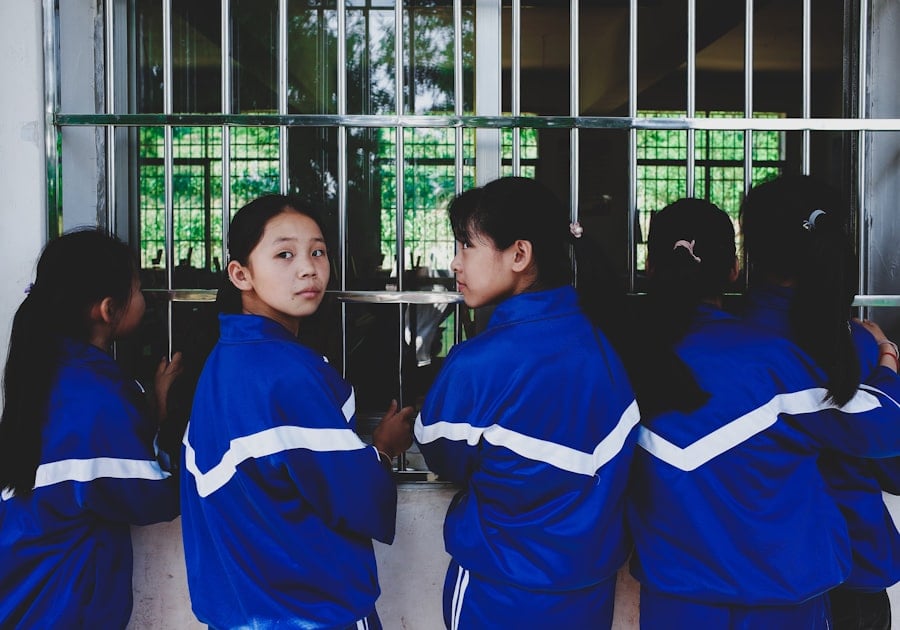
The Preventing Trafficking of Girls Program specifically targets girls aged 10 to 18 years old, recognizing that this age group is particularly vulnerable to trafficking. This demographic includes not only those who may be at risk due to socioeconomic factors but also those who may be involved in systems such as foster care or juvenile justice, where they are often more susceptible to exploitation.
Geographically, the program focuses on urban areas with high rates of trafficking incidents as well as rural communities that may lack resources for prevention and support. By concentrating efforts in these regions, the program aims to maximize its impact and reach those who need it most. Collaborating with local organizations and stakeholders will be essential in tailoring interventions to meet the specific needs of each community.
Program Activities and Implementation Plan
<?xml encoding=”UTF-8″>
| Metrics | Data |
|---|---|
| Number of girls targeted | 500 |
| Duration of the program | 2 years |
| Targeted locations | 10 cities across the US |
| Expected impact | Reduced trafficking incidents by 30% |
The implementation plan for the Preventing Trafficking of Girls Program includes a variety of activities designed to engage both girls and their communities. One key component is educational workshops that provide information on recognizing trafficking signs and understanding personal safety strategies. These workshops will be held in schools, community centers, and online platforms to ensure accessibility.
In addition to education, the program will establish mentorship opportunities where older girls or women can guide younger participants. This peer-to-peer support system can foster a sense of belonging and provide role models who have successfully navigated challenges similar to those faced by at-risk girls. Furthermore, partnerships with local law enforcement and social services will be developed to create a coordinated response system for reporting and addressing trafficking cases.
Budget and Funding Needs for the Program
To effectively implement the Preventing Trafficking of Girls Program, a well-structured budget is essential. Funding will be needed for various aspects of the program, including educational materials, workshop facilitation, staff salaries, and outreach efforts. Additionally, resources will be allocated for training mentors and developing partnerships with local organizations.
Identifying potential funding sources is crucial for sustainability. This may include grants from government agencies focused on human trafficking prevention, private donations from individuals or businesses committed to social justice, and collaborations with non-profit organizations that share similar goals. A transparent budget will help build trust with stakeholders and ensure that funds are used efficiently to achieve the program’s objectives.
Evaluation and Monitoring Plan for the Program
An effective evaluation and monitoring plan is vital for assessing the impact of the Preventing Trafficking of Girls Program. This plan will include both qualitative and quantitative measures to gauge success. Surveys will be conducted before and after workshops to measure changes in knowledge about trafficking among participants. Additionally, focus groups can provide deeper insights into participants’ experiences and perceptions of safety.
Regular monitoring will also involve tracking participation rates in workshops and mentorship programs. This data will help identify trends and areas for improvement. Furthermore, establishing partnerships with local law enforcement will allow for tracking any reported cases of trafficking in relation to program activities. By continuously evaluating its effectiveness, the program can adapt its strategies as needed to ensure it remains relevant and impactful.
Conclusion and Next Steps for the Preventing Trafficking of Girls Program
In conclusion, the Preventing Trafficking of Girls Program represents a proactive approach to addressing a critical issue affecting vulnerable populations in the United States. By focusing on education, empowerment, and community engagement, this initiative aims to create a safer environment for girls at risk of trafficking. The outlined goals, target population, activities, budget needs, and evaluation strategies provide a comprehensive framework for implementation.
Moving forward, it will be essential to engage stakeholders at all levels—from community members to policymakers—to build support for this initiative. Continued advocacy efforts will help raise awareness about human trafficking while fostering collaboration among organizations dedicated to prevention. As we take these next steps together, we can work towards a future where all girls are protected from exploitation and empowered to thrive in their communities.


