Agroforestry is an integrated land-use management system that combines agriculture and forestry practices to create more sustainable and productive ecosystems. This approach not only enhances biodiversity but also plays a significant role in carbon sequestration, which is the process of capturing and storing atmospheric carbon dioxide. By incorporating trees into agricultural landscapes, agroforestry systems can effectively reduce greenhouse gas emissions while improving soil health and increasing crop yields.
The significance of agroforestry in the context of climate change cannot be overstated. As global temperatures rise and weather patterns become increasingly erratic, the need for innovative solutions to mitigate these effects is urgent. Agroforestry offers a dual benefit: it helps farmers adapt to changing conditions while simultaneously contributing to global efforts to combat climate change through carbon sequestration. This article will explore the multifaceted benefits of agroforestry, particularly its role in enhancing rural livelihoods and its potential for securing funding through grant proposals aimed at promoting sustainable practices.
The Importance of Agroforestry for Rural Livelihoods
Agroforestry systems provide numerous advantages for rural communities, particularly in developing regions where agriculture is often the primary source of income. By diversifying crops and incorporating trees, farmers can create more resilient agricultural systems that are less vulnerable to pests, diseases, and climate variability. This diversification not only stabilizes income but also enhances food security, as a wider variety of crops can be produced throughout the year.
Moreover, agroforestry can improve soil quality and fertility, leading to better crop yields over time. The presence of trees helps prevent soil erosion, enhances water retention, and promotes nutrient cycling. These benefits are crucial for smallholder farmers who often rely on limited resources and face challenges such as land degradation and declining soil health. By adopting agroforestry practices, rural communities can build a more sustainable future while improving their economic prospects.
Objectives and Goals of the Grant Proposal
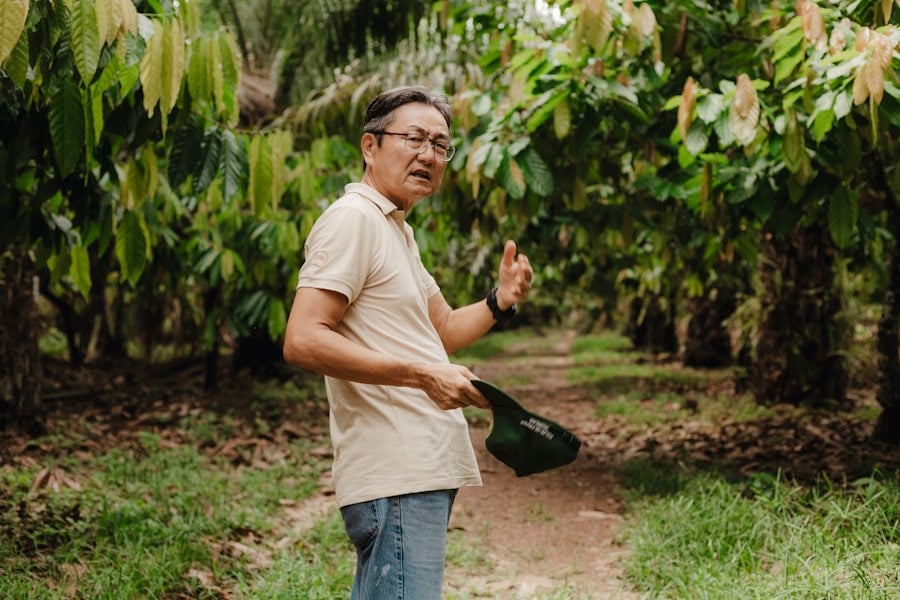
The primary objective of the grant proposal is to secure funding for the implementation of an agroforestry project that focuses on carbon sequestration and enhancing rural livelihoods. The proposal aims to establish a model agroforestry system that demonstrates the benefits of integrating trees with agricultural practices. Specific goals include increasing carbon storage in the soil and biomass, improving crop yields, and providing training and resources for local farmers.
Additionally, the proposal seeks to foster community engagement and participation in the project. By involving local stakeholders in the planning and implementation phases, the project aims to ensure that the benefits of agroforestry are widely shared and that the community takes ownership of the initiative. This collaborative approach not only enhances the likelihood of project success but also builds social capital within the community, which is essential for long-term sustainability.
Proposed Activities and Implementation Plan
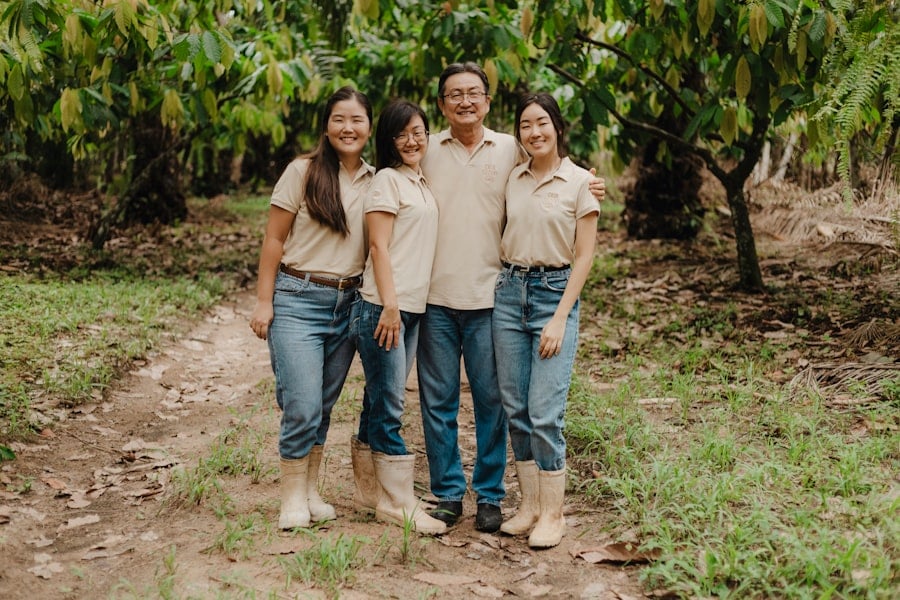
The implementation plan for the agroforestry project includes several key activities designed to achieve the outlined objectives. First, a baseline assessment will be conducted to evaluate current land use practices, soil health, and carbon levels in the target area. This assessment will provide valuable data that will inform the design of the agroforestry system.
Following the assessment, training workshops will be organized for local farmers to educate them about agroforestry techniques, including tree planting, crop rotation, and sustainable land management practices. These workshops will be complemented by hands-on demonstrations in the field, allowing farmers to gain practical experience in implementing agroforestry systems.
The project will also involve planting a diverse range of tree species that are well-suited to the local climate and soil conditions. These trees will be strategically integrated into existing agricultural landscapes to maximize their benefits for both carbon sequestration and crop production. Regular monitoring will be conducted to assess growth rates, carbon storage potential, and overall system performance.
Expected Outcomes and Impact on Carbon Sequestration
<?xml encoding=”UTF-8″>
| Project Title | Agroforestry for Carbon Sequestration and Rural Livelihoods |
|---|---|
| Grant Amount | 500,000 |
| Project Duration | 3 years |
| Project Objectives | To promote agroforestry practices for carbon sequestration, to improve rural livelihoods, and to enhance environmental sustainability. |
| Expected Outcomes | Increased carbon sequestration, improved soil health, diversified income sources for rural communities, and enhanced biodiversity. |
The expected outcomes of the agroforestry project are multifaceted. One of the primary goals is to significantly increase carbon sequestration in the target area. By integrating trees into agricultural systems, it is anticipated that both above-ground biomass and soil organic carbon levels will rise over time. This increase in carbon storage will contribute to global efforts to mitigate climate change while providing tangible benefits to local communities.
In addition to carbon sequestration, the project aims to enhance agricultural productivity and resilience. Improved soil health and increased biodiversity are expected to lead to higher crop yields, which can directly impact food security and income levels for participating farmers. Furthermore, by promoting sustainable land management practices, the project will help protect local ecosystems and biodiversity, creating a healthier environment for future generations.
Budget and Financial Plan
A comprehensive budget is essential for ensuring the successful implementation of the agroforestry project. The financial plan will outline all anticipated costs associated with project activities, including personnel salaries, training materials, tree seedlings, equipment, and monitoring tools. It is crucial to provide a detailed breakdown of expenses to demonstrate transparency and accountability to potential funders.
In addition to outlining costs, the budget will also identify potential sources of funding beyond the grant proposal. This may include contributions from local government agencies, non-governmental organizations (NGOs), or private sector partnerships. By diversifying funding sources, the project can enhance its financial sustainability and reduce reliance on a single funding stream.
Monitoring and Evaluation Strategy
To ensure that the agroforestry project meets its objectives and delivers meaningful outcomes, a robust monitoring and evaluation (M&E) strategy will be implemented. This strategy will involve regular data collection on key indicators such as tree growth rates, soil carbon levels, crop yields, and farmer participation rates.
The M&E process will include both qualitative and quantitative assessments to capture a comprehensive picture of project impacts. Surveys and interviews with participating farmers will provide insights into their experiences with agroforestry practices and any challenges they may face. This feedback will be invaluable for making necessary adjustments to project activities and ensuring that they remain relevant to community needs.
Regular reporting on M&E findings will be shared with stakeholders, including funders and community members. This transparency not only builds trust but also fosters a culture of learning within the project team and among participants.
Conclusion and Call to Action
In conclusion, agroforestry presents a promising solution for addressing both climate change and rural livelihood challenges. By integrating trees into agricultural systems, we can enhance carbon sequestration while simultaneously improving food security and economic resilience for rural communities. The proposed grant-funded project aims to demonstrate these benefits through practical implementation and community engagement.
As we move forward with this initiative, we invite stakeholders—farmers, local organizations, government agencies, and potential funders—to join us in this endeavor. Together, we can create a sustainable future that not only mitigates climate change but also empowers rural communities to thrive. Your support can make a significant difference in transforming agricultural landscapes into vibrant ecosystems that benefit both people and the planet.


