Precision agriculture is revolutionizing the way we approach farming, making it more efficient and sustainable. At its core, precision agriculture leverages technology to monitor and manage field variability in crops. This means using data-driven insights to optimize farming practices, ultimately leading to increased yields and reduced waste. By integrating various technologies, farmers can make informed decisions that enhance productivity while minimizing environmental impact.
The concept of precision agriculture is not just about using high-tech gadgets; it’s about understanding the nuances of each field and crop. Farmers can now utilize tools like GPS, drones, and sensors to gather real-time data on soil conditions, weather patterns, and crop health. This information allows for targeted interventions, such as applying fertilizers or pesticides only where needed, rather than across an entire field. As a result, precision agriculture is not only beneficial for farmers but also plays a crucial role in addressing global food security challenges.
Overview of Artificial Intelligence and Internet of Things in Agriculture
Artificial Intelligence (AI) and the Internet of Things (IoT) are two key components driving the advancement of precision agriculture. AI refers to the simulation of human intelligence processes by machines, particularly computer systems. In agriculture, AI can analyze vast amounts of data collected from various sources, providing insights that help farmers make better decisions. For instance, AI algorithms can predict crop yields based on historical data and current conditions, allowing farmers to plan their resources more effectively.
On the other hand, IoT involves connecting physical devices to the internet, enabling them to collect and exchange data. In the agricultural context, IoT devices such as soil moisture sensors, weather stations, and drones can provide real-time information about field conditions. This connectivity allows farmers to monitor their crops remotely and respond quickly to any issues that arise. Together, AI and IoT create a powerful synergy that enhances the efficiency of farming operations and promotes sustainable practices.
The Need for Funding in Precision Agriculture
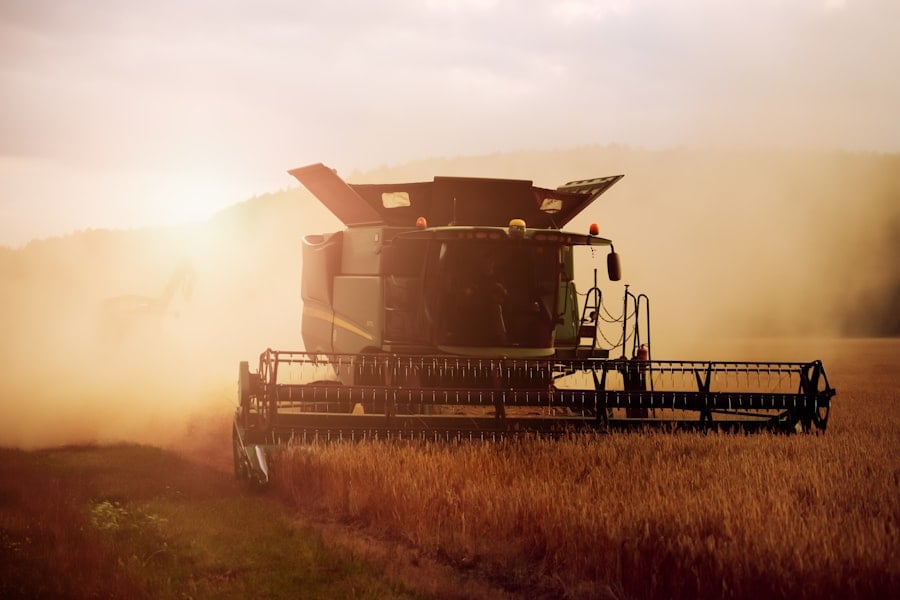
Despite the promising potential of precision agriculture, many farmers face significant barriers when it comes to adopting these technologies. One of the most pressing challenges is funding. Implementing precision agriculture practices often requires substantial upfront investment in technology and infrastructure. For small to medium-sized farms, these costs can be prohibitive, limiting their ability to compete in an increasingly tech-driven market.
Moreover, funding is not just about purchasing equipment; it also encompasses training and support for farmers to effectively use these technologies. Many farmers may lack the technical expertise needed to interpret data or operate advanced machinery. Therefore, financial support is essential not only for acquiring tools but also for ensuring that farmers have access to the knowledge and resources necessary for successful implementation. Without adequate funding, the benefits of precision agriculture may remain out of reach for many.
Proposal Objectives and Goals
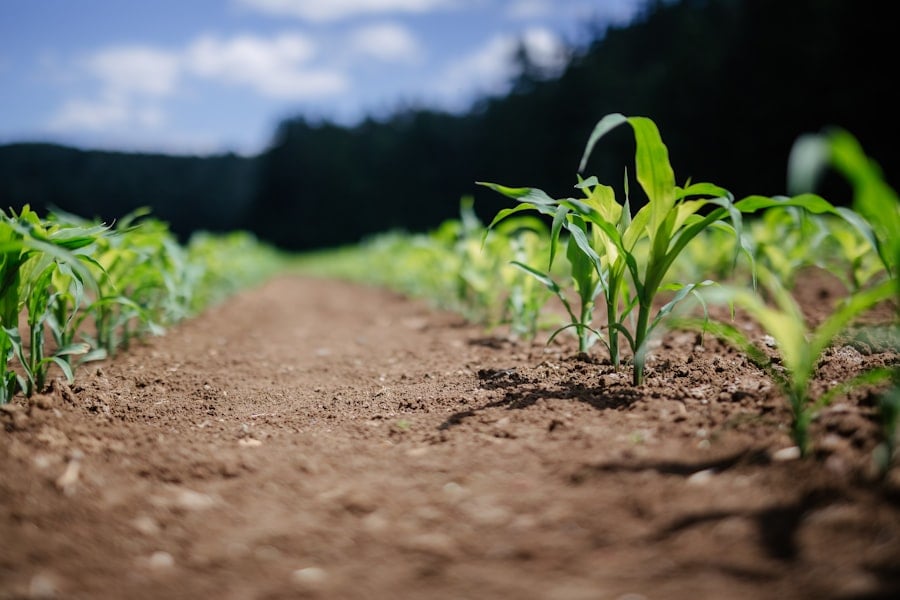
The primary objective of this proposal is to secure funding that will enable farmers to adopt precision agriculture technologies effectively. By providing financial assistance, we aim to bridge the gap between traditional farming practices and modern technological advancements. Our goal is to empower farmers with the tools they need to enhance productivity while promoting sustainable practices.
Additionally, we seek to establish training programs that will equip farmers with the skills necessary to utilize these technologies effectively. This includes workshops on data analysis, equipment operation, and best practices for integrating precision agriculture into their existing workflows. Ultimately, our aim is to create a supportive ecosystem where farmers can thrive in a competitive landscape while contributing positively to environmental sustainability.
Methodology and Implementation Plan
<?xml encoding=”UTF-8″>
| Metrics | Data |
|---|---|
| Grant Amount | 500,000 |
| Project Duration | 2 years |
| AI Algorithms Developed | 5 |
| IoT Devices Deployed | 100 |
| Improved Crop Yield | 15% |
To achieve our objectives, we propose a multi-faceted approach that includes funding allocation, training programs, and ongoing support for farmers. The first step will involve identifying potential funding sources, including government grants, private investors, and agricultural organizations. We will develop a comprehensive funding proposal that outlines the benefits of precision agriculture and the expected return on investment for stakeholders.
Once funding is secured, we will initiate training programs tailored to the specific needs of farmers in our target regions. These programs will be designed in collaboration with agricultural experts and technology providers to ensure relevance and effectiveness. We will also establish partnerships with local agricultural extension services to facilitate outreach and support for farmers throughout the implementation process.
Budget and Resource Allocation
A well-structured budget is crucial for the success of this initiative. We will allocate funds across several key areas: technology acquisition, training programs, and ongoing support services. A significant portion of the budget will be dedicated to purchasing IoT devices and AI software that can be deployed on farms. This includes soil sensors, drones for aerial imaging, and data analytics platforms.
In addition to technology costs, we will allocate resources for training sessions and workshops. This will cover expenses related to hiring experts, developing training materials, and organizing events. Finally, a portion of the budget will be reserved for ongoing support services, ensuring that farmers have access to assistance as they navigate their transition to precision agriculture.
Expected Outcomes and Impact
The anticipated outcomes of this proposal are multifaceted. First and foremost, we expect an increase in crop yields as farmers adopt precision agriculture practices. By utilizing data-driven insights, farmers can make informed decisions that lead to more efficient resource use and improved productivity. This not only benefits individual farms but also contributes to overall food security in the region.
Moreover, we anticipate a positive environmental impact as farmers reduce their reliance on chemical inputs through targeted applications. By minimizing waste and optimizing resource use, precision agriculture can help mitigate the environmental footprint of farming activities. Additionally, as farmers become more proficient in using technology, we expect a shift towards a more innovative agricultural sector that embraces sustainability as a core principle.
Conclusion and Call to Action
In conclusion, precision agriculture represents a significant opportunity for farmers to enhance their operations while promoting sustainability. However, without adequate funding and support, many may struggle to adopt these transformative technologies. This proposal aims to address those challenges by securing financial resources and providing essential training for farmers.
We invite stakeholders—government agencies, private investors, agricultural organizations—to join us in this initiative. Together, we can empower farmers with the tools they need to thrive in a competitive landscape while contributing positively to our environment. Let’s work together to make precision agriculture accessible for all and pave the way for a more sustainable future in farming.


