Regenerative agriculture is an innovative approach to farming that focuses on restoring and enhancing the health of ecosystems. Unlike conventional agricultural practices that often deplete soil and biodiversity, regenerative agriculture aims to create a sustainable system that benefits both the environment and the farmer. This method emphasizes practices such as crop rotation, cover cropping, and reduced tillage, all of which contribute to a more resilient agricultural landscape. By prioritizing the regeneration of natural resources, regenerative agriculture not only addresses food production needs but also tackles pressing environmental issues like climate change and soil degradation.
The concept of regenerative agriculture is gaining traction as more farmers and consumers recognize the importance of sustainable practices. With increasing awareness of the negative impacts of industrial farming, there is a growing demand for food produced in ways that are environmentally friendly and socially responsible. This shift in mindset is crucial, as it encourages a holistic view of agriculture that considers the long-term health of the planet. As we delve deeper into the specifics of regenerative agriculture, it becomes clear that improving soil health is at the heart of this movement.
Importance of Soil Health Improvement
Soil health is foundational to successful regenerative agriculture. Healthy soil is rich in organic matter, supports diverse microbial life, and has good structure, all of which contribute to its ability to retain water and nutrients. When soil is healthy, it can support robust plant growth, which in turn leads to higher yields and better-quality crops. Unfortunately, many conventional farming practices have led to soil degradation, resulting in reduced fertility and increased vulnerability to erosion and drought.
Improving soil health is not just about enhancing agricultural productivity; it also plays a critical role in combating climate change. Healthy soils act as carbon sinks, sequestering carbon dioxide from the atmosphere and helping to mitigate greenhouse gas emissions. Furthermore, improved soil health can enhance biodiversity by providing habitats for various organisms, from earthworms to beneficial insects. This interconnectedness highlights the importance of prioritizing soil health in any agricultural initiative, particularly those aimed at fostering sustainability.
Objectives of the Grant Proposal

The primary objective of this grant proposal is to implement a series of regenerative agriculture practices that will significantly improve soil health on participating farms. By focusing on techniques such as cover cropping, reduced tillage, and organic amendments, we aim to restore soil fertility and enhance its capacity to support diverse crops. Additionally, we seek to educate farmers about these practices, providing them with the knowledge and tools necessary to adopt regenerative methods effectively.
Another key objective is to create a network of farmers committed to regenerative agriculture. By fostering collaboration and sharing best practices, we can amplify the impact of our efforts. This network will serve as a platform for ongoing education and support, ensuring that farmers have access to resources and expertise as they transition away from conventional methods. Ultimately, our goal is to demonstrate that regenerative agriculture can be both economically viable and environmentally beneficial.
Proposed Activities and Methods
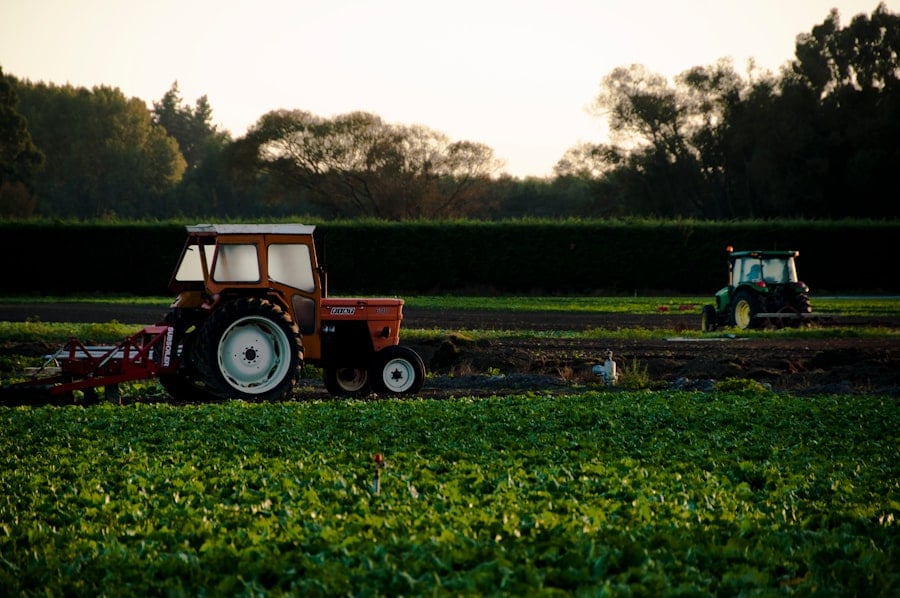
To achieve our objectives, we propose a series of activities designed to engage farmers and promote the adoption of regenerative practices. First, we will conduct workshops and training sessions focused on soil health improvement techniques. These sessions will cover topics such as the benefits of cover cropping, how to implement reduced tillage practices, and the use of organic amendments like compost and biochar.
In addition to educational activities, we plan to establish demonstration plots on participating farms. These plots will showcase various regenerative practices in action, allowing farmers to see firsthand the benefits of these methods. By providing tangible examples of successful implementation, we hope to inspire more farmers to adopt regenerative practices on their own land. Furthermore, we will facilitate peer-to-peer learning opportunities through farm visits and field days, encouraging collaboration and knowledge sharing among farmers.
Budget Allocation and Justification
<?xml encoding=”UTF-8″>
| Metrics | Data |
|---|---|
| Grant Title | Regenerative Agriculture for Soil Health Improvement |
| Grant Amount | 500,000 |
| Project Duration | 3 years |
| Target Area | Rural communities in the Midwest |
| Expected Outcomes | Increased soil organic matter, improved water retention, and enhanced biodiversity |
A well-structured budget is essential for the successful implementation of our proposed activities. We anticipate that the majority of our funding will be allocated toward educational materials and workshop facilitation. This includes costs for hiring experts in regenerative agriculture who can provide valuable insights during training sessions. Additionally, we will allocate funds for creating demonstration plots, which will require investment in seeds, soil amendments, and necessary equipment.
Another significant portion of our budget will be dedicated to outreach efforts aimed at building a network of participating farmers. This includes costs associated with marketing our workshops and events, as well as materials for ongoing communication within the network. By ensuring that our budget reflects these priorities, we can maximize our impact and support farmers in their transition to regenerative practices.
Expected Outcomes and Impact
The expected outcomes of this grant proposal are multifaceted. First and foremost, we anticipate a measurable improvement in soil health across participating farms. This will be assessed through soil testing before and after the implementation of regenerative practices. We expect to see increases in organic matter content, microbial diversity, and overall soil fertility.
Beyond soil health improvements, we also aim to foster a sense of community among farmers committed to regenerative agriculture. By creating a supportive network, we hope to empower farmers to share their experiences and challenges openly. This collaborative environment can lead to innovative solutions and further advancements in regenerative practices. Ultimately, we envision a ripple effect where successful implementation on individual farms inspires others in the region to consider similar approaches.
Monitoring and Evaluation Plan
To ensure the success of our initiatives, a robust monitoring and evaluation plan will be put in place. This plan will include regular soil testing at designated intervals throughout the project timeline. By tracking changes in soil health indicators such as nutrient levels and microbial activity, we can assess the effectiveness of our proposed activities.
In addition to soil testing, we will conduct surveys among participating farmers to gather feedback on their experiences with the training sessions and implementation of regenerative practices. This qualitative data will provide valuable insights into the challenges faced by farmers during their transition and help us refine our approach moving forward. By combining quantitative data with qualitative feedback, we can create a comprehensive picture of our project’s impact.
Conclusion and Call to Action
In conclusion, regenerative agriculture presents a promising path toward sustainable farming that prioritizes soil health and environmental stewardship. By implementing targeted practices aimed at improving soil quality, we can enhance agricultural productivity while also addressing critical issues like climate change and biodiversity loss. Our grant proposal outlines a clear plan for achieving these goals through education, collaboration, and practical implementation.
We invite stakeholders—farmers, agricultural organizations, policymakers—to join us in this endeavor. Together, we can create a more resilient agricultural system that benefits not only individual farmers but also our communities and the planet as a whole. Let’s take action now to invest in regenerative agriculture for a healthier future!


