Community seed banks are local repositories that collect, preserve, and distribute seeds, particularly those of traditional and heirloom varieties. They play a crucial role in maintaining biodiversity and ensuring food security within communities. By focusing on local crops that are well-adapted to specific climates and soils, these seed banks empower farmers and gardeners to cultivate plants that thrive in their unique environments. This grassroots approach not only fosters agricultural resilience but also strengthens community ties as people come together to share knowledge and resources.
In recent years, the importance of community seed banks has gained recognition, especially in the face of climate change and global agricultural challenges. These banks serve as a safeguard against the loss of genetic diversity, which is vital for adapting to changing environmental conditions. By preserving a wide range of seeds, community seed banks help ensure that future generations have access to diverse food sources, promoting both ecological health and cultural heritage.
Importance of Climate-Resilient Crops
Climate-resilient crops are essential for adapting to the unpredictable weather patterns and extreme conditions brought about by climate change. These crops are bred or selected for their ability to withstand drought, flooding, pests, and diseases, making them crucial for food security in vulnerable regions. As traditional farming practices face increasing challenges, the cultivation of climate-resilient varieties can help mitigate risks and ensure stable yields.
Moreover, climate-resilient crops contribute to sustainable agricultural practices. By reducing reliance on chemical inputs and promoting biodiversity, these crops can enhance soil health and ecosystem stability. Farmers who adopt these varieties often find that they can maintain productivity even in adverse conditions, which is particularly important for smallholder farmers who may lack the resources to cope with crop failures. In this way, climate-resilient crops not only support individual livelihoods but also contribute to broader community resilience.
Objectives of the Grant Proposal
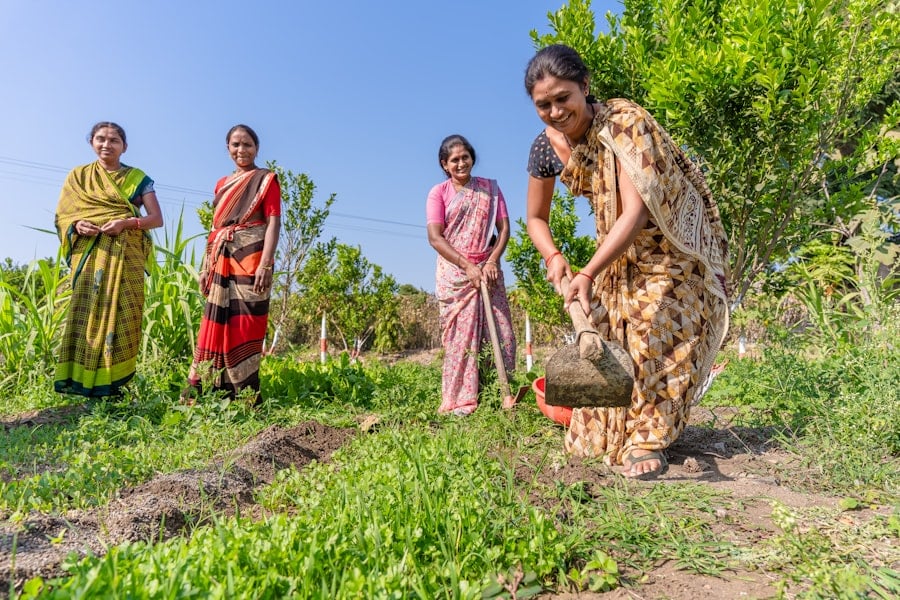
The primary objective of this grant proposal is to establish a community seed bank that focuses on the preservation and distribution of climate-resilient crops. By creating a local repository for seeds, we aim to empower farmers with access to diverse varieties that are better suited to their specific environmental conditions. This initiative will not only enhance food security but also promote sustainable agricultural practices within the community.
Additionally, the proposal seeks to educate community members about the importance of seed saving and biodiversity. Workshops and training sessions will be organized to teach participants about the benefits of climate-resilient crops and how to cultivate them effectively. By fostering a culture of knowledge sharing and collaboration, we hope to strengthen community ties and encourage collective action towards sustainable agriculture.
Proposed Activities and Timeline

To achieve our objectives, we have outlined a series of activities that will be implemented over the course of two years. The first phase will involve establishing partnerships with local farmers, agricultural organizations, and universities to identify suitable climate-resilient crop varieties for our seed bank. This collaborative approach will ensure that we are preserving seeds that are relevant and beneficial to our community.
Once partnerships are established, we will begin the process of collecting seeds from local farmers and other sources. This will involve organizing seed collection events where community members can bring in their seeds for preservation. Concurrently, we will develop educational materials and workshops focused on seed saving techniques and the cultivation of climate-resilient crops. These activities will be rolled out over the first six months.
In the following year, we will focus on expanding our outreach efforts by hosting community events that promote the seed bank and its offerings. We will also implement a seed distribution program, allowing farmers to access climate-resilient seeds for their own use. Throughout this period, we will continuously evaluate our progress and make adjustments as needed to ensure that we are meeting our objectives effectively.
Budget and Resources Allocation
<?xml encoding=”UTF-8″>
| Metrics | Value | Number of community seed banks established | 10 | Varieties of climate-resilient crops preserved | 50 | Number of farmers involved in seed saving | 200 | Training workshops conducted | 15 | Amount of climate-resilient seeds distributed | 500 kg |
|---|
A well-structured budget is essential for the successful implementation of our community seed bank initiative. The total estimated budget for the project is $50,000, which will cover various expenses including seed collection, storage facilities, educational materials, and outreach activities. A significant portion of the budget will be allocated to establishing a secure storage facility for the seeds, ensuring they remain viable for future planting.
In addition to physical resources, we will also allocate funds for personnel costs, including hiring a project coordinator who will oversee the day-to-day operations of the seed bank. This individual will be responsible for managing partnerships, organizing workshops, and coordinating outreach efforts. We also plan to set aside funds for marketing materials to raise awareness about the seed bank within the community.
To supplement our budget, we will actively seek additional funding from local businesses, agricultural organizations, and government grants. By diversifying our funding sources, we aim to create a sustainable financial model that supports the long-term success of the community seed bank.
Expected Outcomes and Impact
The establishment of a community seed bank is expected to yield several positive outcomes for our community. First and foremost, it will provide local farmers with access to a diverse range of climate-resilient seeds, enhancing their ability to adapt to changing environmental conditions. This increased access can lead to improved crop yields and greater food security for families within the community.
Furthermore, by promoting education around seed saving and sustainable agriculture practices, we anticipate a shift in how community members approach farming. As more individuals become aware of the benefits of biodiversity and climate resilience, we expect to see an increase in the adoption of these practices across the region. This cultural shift can have lasting effects on agricultural sustainability and environmental stewardship.
In addition to these tangible benefits, the community seed bank will foster a sense of pride and ownership among residents. By participating in seed collection events and workshops, individuals will feel more connected to their agricultural heritage and empowered to take an active role in preserving it for future generations.
Sustainability and Long-Term Plans
Sustainability is a key consideration in our planning for the community seed bank. To ensure its long-term viability, we will implement several strategies aimed at fostering ongoing community engagement and support. One approach is to establish a membership program that encourages local farmers and gardeners to contribute seeds and participate in workshops regularly. This sense of ownership will help maintain interest in the seed bank over time.
Additionally, we plan to create partnerships with local schools and educational institutions to integrate seed saving and sustainable agriculture into their curricula. By involving younger generations in these practices, we can cultivate a culture of sustainability that extends beyond our immediate community.
We also intend to explore opportunities for collaboration with other community seed banks regionally or nationally. By sharing resources and knowledge with similar initiatives, we can strengthen our impact while learning from others’ experiences. This network can provide valuable support as we navigate challenges and celebrate successes together.
Conclusion and Call to Action
In conclusion, establishing a community seed bank focused on climate-resilient crops presents an opportunity for our community to enhance food security while promoting sustainable agricultural practices. By preserving local biodiversity and empowering farmers with access to diverse seeds, we can build resilience against climate change and foster a stronger sense of community.
We invite you to join us in this important initiative by supporting our grant proposal or participating in upcoming events related to the seed bank. Whether you’re a farmer looking for new crop varieties or simply someone interested in learning more about sustainable agriculture, your involvement can make a difference. Together, we can cultivate a thriving future for our community through the power of seeds.


