Himalayan agriculture is a unique and vital aspect of the region’s economy and culture. Nestled in the world’s highest mountain range, the agricultural practices here are shaped by diverse climatic conditions, varied altitudes, and rich biodiversity. Farmers cultivate a range of crops, from rice and maize in the lower valleys to barley and potatoes at higher elevations. This diversity not only supports local diets but also contributes to the livelihoods of millions who depend on farming as their primary source of income.
The agricultural landscape in the Himalayas is not just about crops; it’s also about traditional practices and community resilience. Many farming communities have developed intricate systems of crop rotation, intercropping, and organic farming that have been passed down through generations. However, these practices are increasingly under threat due to various factors, including climate change, which poses significant challenges to food security and sustainable development in the region.
Impact of Climate Change on Himalayan Agriculture
Climate change is having a profound impact on Himalayan agriculture, altering weather patterns and affecting crop yields. Rising temperatures are leading to earlier snowmelt, which disrupts the timing of planting and harvesting. Farmers are finding it increasingly difficult to predict weather patterns, making it challenging to plan their agricultural activities effectively. This unpredictability can result in crop failures or reduced yields, which directly affects food availability and farmers‘ incomes.
Moreover, changing precipitation patterns are causing both droughts and floods in different parts of the region. Some areas experience prolonged dry spells, while others face intense rainfall that leads to soil erosion and landslides. These extreme weather events not only damage crops but also threaten the very soil that sustains them. As a result, many farmers are struggling to adapt to these new realities, leading to a decline in agricultural productivity and increased vulnerability among rural communities.
Goals and Objectives of the Proposal
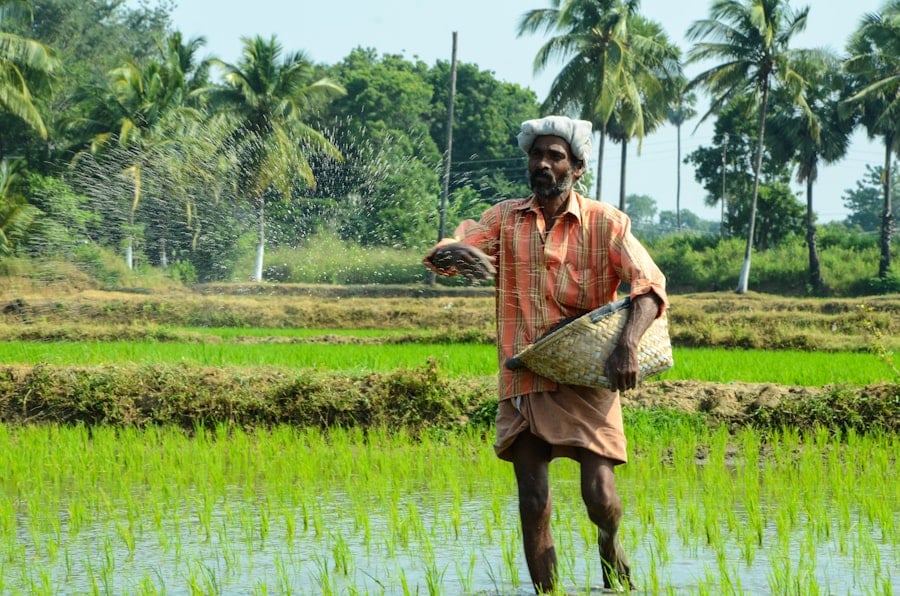
The primary goal of this proposal is to enhance the resilience of Himalayan agriculture in the face of climate change. By implementing adaptive strategies, we aim to ensure food security for local communities while promoting sustainable farming practices. One of the key objectives is to increase farmers’ knowledge and capacity to adapt to changing climatic conditions through training programs and workshops.
Additionally, we seek to promote the use of climate-resilient crop varieties that can withstand extreme weather conditions. This includes research into indigenous crops that have traditionally thrived in the region but may have been overlooked in favor of more commercially viable options. By diversifying crop production and encouraging sustainable practices, we hope to create a more robust agricultural system that can withstand future challenges.
Proposed Adaptation Strategies for Himalayan Agriculture
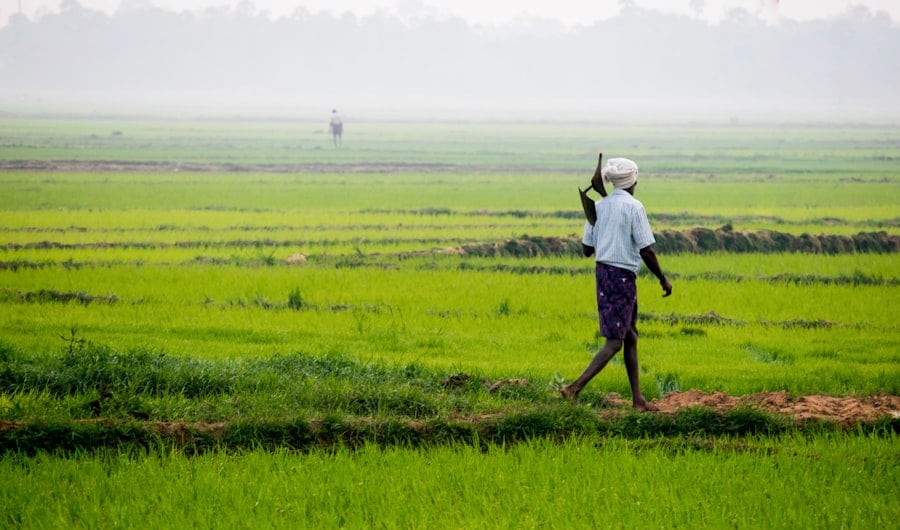
To address the challenges posed by climate change, several adaptation strategies can be implemented. First, promoting agroecological practices can help improve soil health and increase biodiversity. Techniques such as organic farming, cover cropping, and agroforestry can enhance resilience by improving soil structure and fertility while reducing dependency on chemical inputs.
Second, introducing climate-resilient crop varieties is crucial. Research institutions can collaborate with local farmers to identify and develop crops that are better suited to changing climatic conditions. This could involve selecting varieties that are drought-resistant or have shorter growing seasons, allowing farmers to adapt their planting schedules accordingly.
Third, enhancing water management practices is essential for mitigating the impacts of erratic rainfall. Implementing rainwater harvesting systems and improving irrigation infrastructure can help ensure that farmers have access to water during dry spells while managing excess water during heavy rains. These strategies not only support crop production but also contribute to overall community resilience.
Implementation Plan and Timeline
<?xml encoding=”UTF-8″>
| Metrics | Data |
|---|---|
| Location | Himalayan region |
| Objective | Adaptation to climate change |
| Duration | 5 years |
| Target crops | Wheat, barley, millet |
| Expected outcomes | Increased resilience, improved yield |
The implementation plan for these adaptation strategies will be rolled out in phases over a three-year period. In the first year, we will focus on conducting baseline assessments to understand the specific needs of different farming communities. This will involve engaging with local farmers, agricultural experts, and community leaders to gather insights into current practices and challenges.
In the second year, we will initiate training programs aimed at educating farmers about agroecological practices and the benefits of climate-resilient crops. Workshops will be organized in various villages, providing hands-on training and resources for farmers to implement these strategies on their own farms. Additionally, we will begin pilot projects to test new crop varieties and water management techniques.
By the third year, we will evaluate the effectiveness of these strategies through monitoring and feedback from participating farmers. This phase will also involve scaling successful practices across more communities, ensuring that the benefits of adaptation reach as many farmers as possible.
Budget and Funding for the Proposal
A comprehensive budget will be essential for the successful implementation of this proposal. The estimated budget for the three-year project is approximately $500,000. This funding will cover various expenses, including personnel costs for project coordinators and trainers, materials for workshops, research activities for developing climate-resilient crops, and infrastructure improvements for water management systems.
To secure funding, we will explore multiple avenues such as grants from governmental organizations focused on climate change adaptation, partnerships with NGOs working in agricultural development, and potential contributions from private sector stakeholders interested in sustainable agriculture initiatives. Engaging local communities in fundraising efforts can also foster a sense of ownership over the project while providing additional resources.
Monitoring and Evaluation of the Adaptation Strategies
Monitoring and evaluation (M&E) will be integral to assessing the success of our adaptation strategies. We will establish clear indicators to measure progress, such as changes in crop yields, farmer income levels, and adoption rates of new practices. Regular surveys and interviews with participating farmers will provide qualitative data on their experiences and challenges faced during implementation.
An independent evaluation team will conduct mid-term assessments to identify any necessary adjustments to our strategies. This feedback loop will ensure that we remain responsive to the needs of farmers while maximizing the effectiveness of our interventions. At the end of the project period, a comprehensive evaluation report will be produced, detailing successes, lessons learned, and recommendations for future initiatives.
Conclusion and Future Outlook for Himalayan Agriculture
The future of Himalayan agriculture hinges on our ability to adapt to the realities of climate change while preserving traditional practices that have sustained communities for generations. By implementing targeted adaptation strategies, we can enhance resilience among farmers and ensure food security in this fragile ecosystem.
Looking ahead, it’s crucial that we continue to invest in research and development focused on climate-resilient agriculture. Collaboration among governments, NGOs, research institutions, and local communities will be key in driving innovation and sharing knowledge. As we navigate these challenges together, there is hope that Himalayan agriculture can not only survive but thrive in a changing world.


